Why Appliances Show Warning Signs Before Failing
Household appliances gradually deteriorate, especially their internal parts, from daily exposure to heat, moisture, vibration, electrical loads, and other forms of use. Worn internal components affect appliances’ performance slightly, and ultimately, they completely fail.
These changes can be attributed to the usual appliance failure causes. The usual causes can include worn motors, clogged airflow systems, damaged seals, weak electrical components, failing sensors, or blocked drainage systems. Rather than failing abruptly, most appliances gradually decline in efficiency and reliability.
For example, a refrigerator can start to take an unusually long time to cool. A dryer can require several cycles before it completely stops providing the heating function. An oven may start to have difficulty reaching and maintaining the proper temperature before the heating element fails completely.
By noticing these minor changes, homeowners can identify problems early, preventing them from becoming bigger issues.
Most Common Warning Signs Your Appliance Is About to Fail
Some common appliance issues can be seen weeks or even months before a complete failure. Understanding these issues can help you avoid a situation where the appliance could become dangerous or stop working altogether.
Unusual Noises
The most common signs of appliance issues are odd noises. Grinding, rattling, buzzing, squealing, and banging sounds are signs of faulty parts, motors, bearings, or internal components.
For example:
- A refrigerator compressor can make an unusually loud sound.
- A dryer can make a strange sound while drying your clothing.
- A dishwasher can make an even more awful sound while draining.
- A washer may shake violently during spin cycles.
Appliances usually have a routine or pattern for how they sound when functioning. They may start sounding different when something inside is wearing out or becoming damaged.
Longer Operating Times
When your appliances take longer to complete normal tasks, it usually means they are losing efficiency and becoming stressed internally.
Common examples include:
- Dryers are taking longer to dry clothes.
- Dishwashers running extended cycles.
- Refrigerators are constantly running.
- Ovens are taking longer to preheat.
When components are struggling, issues can arise with parts such as motors, heating elements, airflow systems, sensors, or compressors. Longer operating times can also raise energy usage.
Inconsistent Performance
Another category of appliance warning signs can be classified as inconsistent results.
Examples include:
- Refrigerators are cooling unevenly.
- Ovens are cooking food unevenly.
- Washers leaving clothes excessively wet.
- Dishwashers leaving residue on dishes.
- Dryers are heating inconsistently.
Inconsistent results in appliances are a sign that internal problems are occurring and should be inspected before the appliance breaks down.
Unusual Smells
Burning smells are usually a sign that something is overheating or burning inside your appliances.
A burning odor may indicate:
- Electrical overheating
- Worn wiring
- Overheating motors
- Failing belts
- Dust buildup near heating components
A musty smell indicates that there could be some sort of drainage problem, moisture problem, or issue with mold in your washer or dishwasher. If strange smells persist, the appliance should be examined promptly to prevent further damage or safety issues.
Increased Energy Usage
An unexpected spike in your utility bill could mean that your appliances aren’t working as effectively as they should.
Appliances like stoves and ovens can use even more gas and electricity when they aren’t performing tasks efficiently.
Examples include:
- Refrigerators running continuously.
- Dryers requiring repeated cycles.
- Dishwashers using extended wash cycles.
- HVAC-connected appliances are drawing more power.
If your energy bills suddenly rise without any changes to your routine, check whether one of your appliances is working inefficiently.
Appliance-Specific Warning Signs to Watch For
Home appliances tend to show various warning signs before they stop functioning altogether. Knowing specific appliance problems by type can help people understand how to detect potential issues before they become major problems.
Refrigerator Warning Signs
loud noises, uneven cooling, frost buildup, and water leaks are all signs of a malfunctioning refrigerator. It can cause food to spoil more quickly and result in constant, loud compressor noise. These problems occur because of deteriorating cooling airflow inside the refrigerator.
Washer and Dryer Warning Signs
Vibrations, burning, leaking, or drying longer than normal are all common issues with washers and dryers. If clothes remain damp after drying, it might be time for an inspection. These problems are usually the result of airflow issues, worn internal components, or motor and drainage problems.
Oven and Stove Warning Signs
Ovens and stoves might start showing warning signs when they develop problems. These early signs can include odd heating behavior, delayed ignition, weak flames, and long preheating times. Homeowners can also notice odd smells when these appliances are in use. These are signs of malfunctioning heating elements, igniters, and temperature controls.
Dishwasher Warning Signs
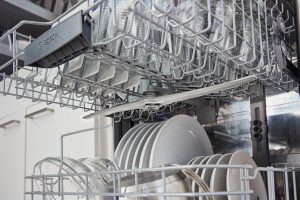
Dishwashers can show a number of warning signs that can manifest in the form of cloudy dishes, leaks, grinding noises, buildup of stagnant water, and slow drainage, which can be signs of blocked filtration and issues within the drainage system. These problems may be caused by worn pumps or by developing issues within the drainage system.
Why Ignoring These Signs Can Lead to Bigger Problems
Letting appliance issues go unaddressed can result in much heftier repair bills. Minor issues today become major problems tomorrow. You may find that a fridge making a strange sound today might not cool properly tomorrow. A dryer that takes too long to dry clothes can eventually overheat and break down completely.
People can avoid appliance failures by simply focusing on appliance breakdown prevention. You can save money and avoid emergency repairs by fixing parts before they fail. If one part is failing, it will probably start to wear the parts around it. It’s better to address appliance issues rather than wait for multiple problems to pile up on a single machine.
If you catch problems with your appliance on time, you may improve its performance, save money on repairs, and extend its lifespan. Getting an inspection and routine maintenance can save you from the inconvenience of a bigger breakdown. Pay attention to the signs of your appliance’s performance to keep it working safely and efficiently.
What You Can Safely Check Yourself
Before contacting a professional service, homeowners can perform simple checks to identify problems related to appliances. These simple appliance troubleshooting tips can help improve an appliance’s performance, reduce unnecessary stress, and help diagnose problems that may require professional help in the future.
Check Power Supply
Sometimes appliance malfunctions can be linked to external issues such as exposed wiring, damaged plugs, broken outlets, or a tripped breaker. Checking the plug and power supply is usually the best first step to troubleshooting issues before you call a professional repair service.
Clean Filters
In the long run, dirty filters lead to poor airflow, which strains an appliance’s performance. Regularly cleaning the dryer lint filters, dishwasher filter, refrigerator coils, and washing machine drain filters can improve performance and reduce stress on the appliance.
Inspect Visible Components
Homeowners can check hoses, door seals, vents, and exterior connections for cracks, rust, leaks, and other signs of deterioration. Performing inspections and identifying signs of wear and damage early can help limit further deterioration and damage.
Monitor Performance Changes
Paying attention to changes like strange sounds, inconsistent operations, prolonged cycles, or unusual smells helps the homeowner identify potential problems early with their appliances. This also assists technicians by providing them with helpful information to diagnose and determine the best repair method for the appliance.
When to Call a Professional Technician
If appliance warning signs persist or get worse, it is usually best to schedule a repair service for professional help. Many homeowners seek reliable appliance repair near me after noticing common appliance problems, such as leaks, loud sounds, excessive heat, or problems with appliance performance consistency.
Appliance repair services are vital to homeowners, as skilled technicians understand internal components and problems that may remain unseen externally. Technicians may help homeowners by preventing more damage to the appliance.
Professional diagnosis is especially important when dealing with:
- Electrical smells
- Gas odors
- Water leaks
- Repeated breaker trips
- Overheating appliances
- Refrigerators not cooling properly
- Dryers taking multiple cycles
- Ongoing dishwasher drainage problems
Being proactive with appliance servicing can lower repair expenses and potentially avert the total failure of an appliance. Residents in Southern California who need appliance repair can avoid further damage by scheduling routine maintenance before small issues turn into major malfunctions.
How Regular Maintenance Helps Prevent Failures
Regular maintenance is essential to minimizing unexpected issues with household appliances and improving their performance over time. There are a number of home appliance maintenance tips that, if followed, can keep appliances clean, functioning, and reliable throughout the year.
One of the appliance maintenance benefits is the easing of stress placed on the internal components. Regular cleaning of filters, checking hoses, inspecting vents, and dusting the appliances can help them run without restriction to airflow or lines, which can lead to overheating. This also lessens the risk of developing drainage problems over time.
Routine maintenance can also help catch and resolve small problems before they become larger issues, which can require large expenditures to fix. Appliances that receive regular maintenance can also last longer and operate in a more energy-efficient way, while also reducing the chance of a sudden loss of functionality.
Repair vs Replacement: What Should You Consider?
Deciding whether to repair or replace an appliance can be challenging for homeowners. It is important for homeowners to evaluate whether appliance repairs are worth the investment or whether replacement is more advantageous. Understanding the appliance’s condition is beneficial when considering these options.
When Repair May Be the Better Option
In many cases, it makes sense to repair an appliance if the issue is not serious and if the appliance is somewhat new. When weighing the decision to repair or replace an appliance, homeowners should consider repair history, overall performance, and whether the appliance operates efficiently after service.
When Replacement May Be More Practical
When an appliance begins to have frequent breakdowns, the cost of repairs continues to increase, and the appliance becomes less energy efficient, then replacement becomes a more cost-effective option. For older appliances, multiple breakdowns and repair issues can add up to a cost greater than the cost of replacing the appliance.
Call Universal Appliance Repair Before It Breaks Completely
If your appliances are leaking, making unusual noises, running slowly, or malfunctioning, you should be proactive. Early intervention prevents further damage and helps you avoid costly repairs. Ignoring small issues can make them larger problems that become more expensive to resolve.
At Universal Appliance Repair, we offer every type of appliance repair in Southern California. Our service can address issues with refrigerators, washers, dryers, dishwashers, ovens, and more. Our professional team can quickly repair appliances and catch any developing issues before they fully manifest.
vBeing proactive about appliance repairs will lead to better performance and energy efficiency, reduce the wear and tear on its components, and prolong the appliance’s life. If your appliances are malfunctioning and persistently exhibiting problems, it’s time to seek professional help. Contact us if your appliance is struggling or if you want to learn more about our services.