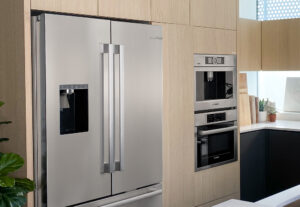
QuiHow Refrigerator Ice Makers Work
Knowing how an ice maker works helps in understanding why it might make ice slowly or stop altogether. The system works in cycles and depends on the flow of water and timing, and when one step is disrupted, the ice maker will stop producing ice.
Water Supply Delivers Water
Water comes from your home’s plumbing system and goes through the refrigerator water line. This water line provides the ice maker with clean water. If the water stops flowing, the ice maker cannot start another ice-making cycle.
Inlet Valve Opens
Once the ice maker is ready, a small inlet valve opens for a few seconds. This valve determines the amount of water that will flow to the ice mold. If the valve is weak or is obstructed, the mold will be incorrectly filled, resulting in small or no ice cubes.
Ice Mold Freezes the Water
Once the mold is filled, the air in the freezer cools the water, turning it to ice. The temperature of the freezer is crucial here. If it is too warm, the water will not freeze, thereby delaying or even stopping the production of ice.
Ejector Arm Releases the Cubes
Once the water has been frozen into ice, the ejector arm pushes the ice cubes into a storage bin, and the ice maker waits for the next cycle. If this arm does not work, a professional refrigerator repair is needed to get the ice production back to normal.
Common Reasons an Ice Maker Stops Working
Many things cause ice makers to stop working; most need to be addressed over time. Knowing some common ice maker not making ice causes can save homeowners time and money and avoid stress. Common refrigerator ice maker problems are mentioned below, explained clearly and simply.
Clogged or Expired Water Filter
Most water filters need to be replaced after 6 months. Ice makers create ice by filling up molds with water, but if a water filter is clogged with dirt and minerals, it will create water pressure problems that can lead to a low water supply. Such issues can stop ice-making. If the ice maker is making a small amount of ice, it is probably time to change the water filter.
Frozen Fill Tube
The fill tube is responsible for carrying water to the ice mold, and if the tube itself freezes, water can’t be pumped in, and the ice-making process is interrupted. This freeze often happens because either the freezer is set to too low a temperature or there is an airflow restriction. A frozen fill tube may not seem like a big deal, but consistent freezing usually means there is a bigger problem that needs to be addressed.
Faulty Water Inlet Valve
The water inlet valve controls the flow of water into the ice maker. Over time, due to wear or mineral deposits, the valve may not open fully. If this is the case, the ice mold may not get enough water to create full ice cubes. This is an issue that will not fix itself and will likely become worse.
Incorrect Freezer Temperature
Ice makers require freezers to maintain stable temperatures to function properly. If the freezer is too warm, the water inside the ice maker won’t fully freeze. If it’s too cold, other parts can ice up, and water can’t flow. Problems with temperature can often be caused by stuffing the freezer, restricting airflow, or overloading it.
Ice Maker Motor or Sensor Failure
Ice makers work using small motors and sensors that control the cycles and detect how much ice is in the container. When these parts fail, the ice maker may fail to eject ice or start new cycles. When these simple solutions do not work, it is usually the best option to call a professional who repairs refrigerators to get your ice maker to work again.
Is It Dangerous If an Ice Maker Stops Working?
An ice maker that stops making ice is typically not dangerous by itself. In most households, this issue is seen as a problem of convenience rather than a problem of safety. The refrigerator can continue to run, and the safety of the food is not immediately affected.
Ignoring the problem can result in a refrigerator water leak risk over time. Faulty valves, lines, or loose connections can cause water to start dripping behind or underneath the refrigerator. Damage can occur to floors, cabinets, or walls if water from a leak is not noticed or addressed in a timely manner.
It is important to note that ice makers use water and electricity. Although severe incidents are not common, the combination of water and electricity can pose an ice maker safety concern. Addressing issues with your ice maker early on can prevent water leaks, protect the internal components, and help it run safely and efficiently without added stress.
What You Can Safely Check Yourself
Homeowners can try a few simple steps to fix ice maker not working issues before scheduling repair service. These basic refrigerator troubleshooting checks do not require any tools or technical knowledge.
- Replace the water filter: If you have used the filter for over six months, the water flow and ice production may improve after a filter replacement.
- Confirm the freezer temperature: Make sure it is set to 0 degrees F. So, the water can freeze during the ice-making cycle.
- Ensure the water supply valve is open: Make sure the valve at the back of the refrigerator is open so water can flow through the ice maker.
- Reset the ice maker: Check your user manual for specific instructions on resetting the ice maker. This may solve many problems.
- Check the shut-off arm position: Make sure the arm is down and not stuck due to ice or an overfilled ice bin.
If ice production still hasn’t improved after doing these steps, it’s best to call a professional. Internal parts are often the root of ongoing issues, and only trained people know how to deal with these.
When to Call for Professional Repair
Some problems with ice makers indicate more serious issues that need trained technicians to resolve. If you have checked all the basic issues and the ice maker is still not working, the following problems typically indicate that professional assistance is required.
Water Pooling or Visible Leaks
If you see water accumulating under or behind the refrigerator, it indicates a leaking valve or water line. If the problem is not addressed, leaks can cause damage to floors, cabinets, and surrounding walls.
Repeated Freezing of the Fill Tube
If the fill tube keeps freezing, there may be a problem with the internal valves or the temperature control system. Unfortunately, this problem may not be solved by changing the temperature control settings.
Unusual Clicking or Buzzing Sounds
Strange clicking, buzzing, and humming noises happen when the ice maker tries to perform a cycle, but can’t. These noises indicate possible internal wear or electrical issues.
No Response After Reset
Even after resetting the ice maker, if the ice maker is still unresponsive, then the issue is probably not due to a lack of user intervention. Most likely, the internal controls are not sending the proper signal.
Ice Maker Works On and Off
The production of ice in irregular and intermittent patterns indicates a possible failure of the sensors or wiring. In these situations, it’s best to schedule appliance repair Southern California services.
If you are wondering about refrigerator repair near me, scheduling expert services can assist in determining the issue properly, ensuring the steady production of ice, and avoiding further damage to the appliance.
Repair vs Replacement: Is It Worth Fixing?
When ice makers malfunction, homeowners consider whether repair is worthwhile or whether they should replace the appliance. In that case, looking at refrigerator age, repair scope, and overall refrigerator repair cost is helpful.
Consider the Age of the Refrigerator
Typically, if a refrigerator is less than ten years old, it is worth repairing the ice maker. Most of the time, the issue is caused by a single broken part, and replacing that part can restore the ice maker’s full production capability.
Built-In and High-End Models Are Worth Repairing
Built-in and premium models are designed to last and are expensive to replace. For these models, ice maker repair is almost always more justified than for regular models. Even moderate repair costs are financially more reasonable than replacing the whole unit.
Compare Repair Cost to Full Replacement
The most common repairs for ice makers include replacing valves, sensors, and entire ice maker assemblies. In comparison to replacing a refrigerator, these repairs are quite minor. This comparison is important to consider when addressing fix or replace refrigerator problems.
An expert inspection can also help confirm whether the repair can solve the problem or if replacing the refrigerator is a better option.
How to Prevent Ice Maker Problems
Homeowners can prevent ice maker problems with very little effort, some basic care, and consistent habits. Some simple steps can even shield internal components and minimize breakdown risks. Following proven refrigerator maintenance tips can prevent ice maker failure and prolong appliance lifespans.
Replace the Water Filter Regularly
If your refrigerator has a water filter, it is recommended that you change it every 6 months. As water filters get older, they can restrict the flow of water to your ice maker, leading to low-quality ice and decreased production. Changing your filter on time is critical for keeping your water pressure steady and your ice clear.
Maintain Proper Freezer Temperature
For your ice maker to function properly, the freezer must be set to 0°F. If your ice maker is producing ice that is either too thick or too thin, there is a chance your freezer temperature is not set properly. To keep the ice-making and cooling components of the freezer functioning correctly, it is also important that air flow is not blocked.
Avoid Slamming the Freezer Door
Over time, slamming the freezer door can cause internal components to malfunction. It is possible that the sensors, valves, and ice maker arms could be affected by the slamming door. Closing the door gently can help prolong the life and function of ice maker components.
Schedule Periodic Maintenance
Routine inspections have great preventative capabilities and can stop issues from becoming serious problems. Consistent professional checkups based on reliable refrigerator maintenance tips can help maintain excellent ice production and identify wear throughout different seasons.
Call Universal Appliance Repair for Ice Maker Issues
Most of the time, when the ice maker in your refrigerator stops producing ice, it’s caused by issues with temperature, water flow, or parts that may need to be repaired with the proper knowledge and tools. Problems with ice makers can sometimes cause ongoing water leaks or prevent ice production if the issues are not addressed early. Restoring ice production and fixing ongoing water leaks are problems Universal Appliance Repair addresses.
Homeowners rely on Universal Appliance Repair for transparent, trustworthy refrigerator repair in Southern California that guarantees safety and reliability. Our technicians take the time to inspect and diagnose the true source of the issue, rather than making hasty assumptions or suggesting unnecessary repairs. Whether your ice maker has stopped working entirely or is only functioning intermittently, our skilled professional ensures the repair is done properly.
Because appliances are an integral part of daily routines, we designed our appliance repair service to focus on effective, clear communication and the careful implementation of long-lasting solutions. We are also aware of the safety risks. From water inlet issues to sensor and control problems, we prioritise safety and efficiency in our repair services.
If you have tried basic troubleshooting steps and are still experiencing issues with the ice maker, you may need to consider professional repair service to investigate the problem. Contact us today to schedule service and get peace of mind from a service that keeps your refrigerator ice maker working as it should.